The European Commission on Wednesday proposed the Digital Fairness Act, a consumer protection rulebook that would ban dark patterns online and let users turn off addictive design features, according to Engadget. It takes aim at practices that hurt children and get people to spend more, such as unclear pricing, ads directed at minors, and subscriptions that are hard to cancel.
The proposal sets fines as high as 6 percent of a company's global turnover. It would apply across all 27 EU member states once the European Parliament and national governments approve it, Informat.ro reported. The Commission said the act would make consumer protection rules the same online and offline.
For minors, the draft would disable loot boxes and pay-to-win mechanics by default, and it would ban advertising based on profiling children. Paid loot boxes for under-18s would be banned outright, according to The Next Web, as cited by Quartz. The proposal would also restrict persistent prompts and other practices that encourage overspending by minors, Engadget noted.
The draft lists ten types of deceptive patterns, including fake notifications, misleading discounts, automatically ticked options, hidden costs, and complicated cancellation procedures. Companies would have to show prices clearly, and that would include purchases made with virtual currencies inside apps. Cultural and sports events that use dynamic pricing would have to show the current price in real time in virtual queues, along with the highest possible price.
The plan would make it simpler to cancel subscriptions, end automatic renewals that customers did not want, and keep free trials from becoming subscription traps. Consumers would have the right to talk to a human in customer service. The measure would also define rights when an AI agent makes purchases for them. Influencers would have to disclose commercial content, and personalized ads and prices targeting minors or taking advantage of sensitive data would be restricted.
The Commission additionally put forward a revision of the Consumer Protection Cooperation Regulation that would give it direct authority to probe big cases affecting the Single Market. In those cases the Commission could impose fines of up to 6% of a company's worldwide annual turnover. Firms based outside the EU would need to name a legal representative within the bloc.
Informat.ro said the Commission believes these rules might stop €88.4 billion in consumer losses from 2025 through 2035. Quartz reported that the Commission expects to save EU consumers up to €13.7 billion a year. The European Parliament and the Council will now discuss the proposals, and they could change significantly before becoming law, Bloomberg said, as cited by Quartz.
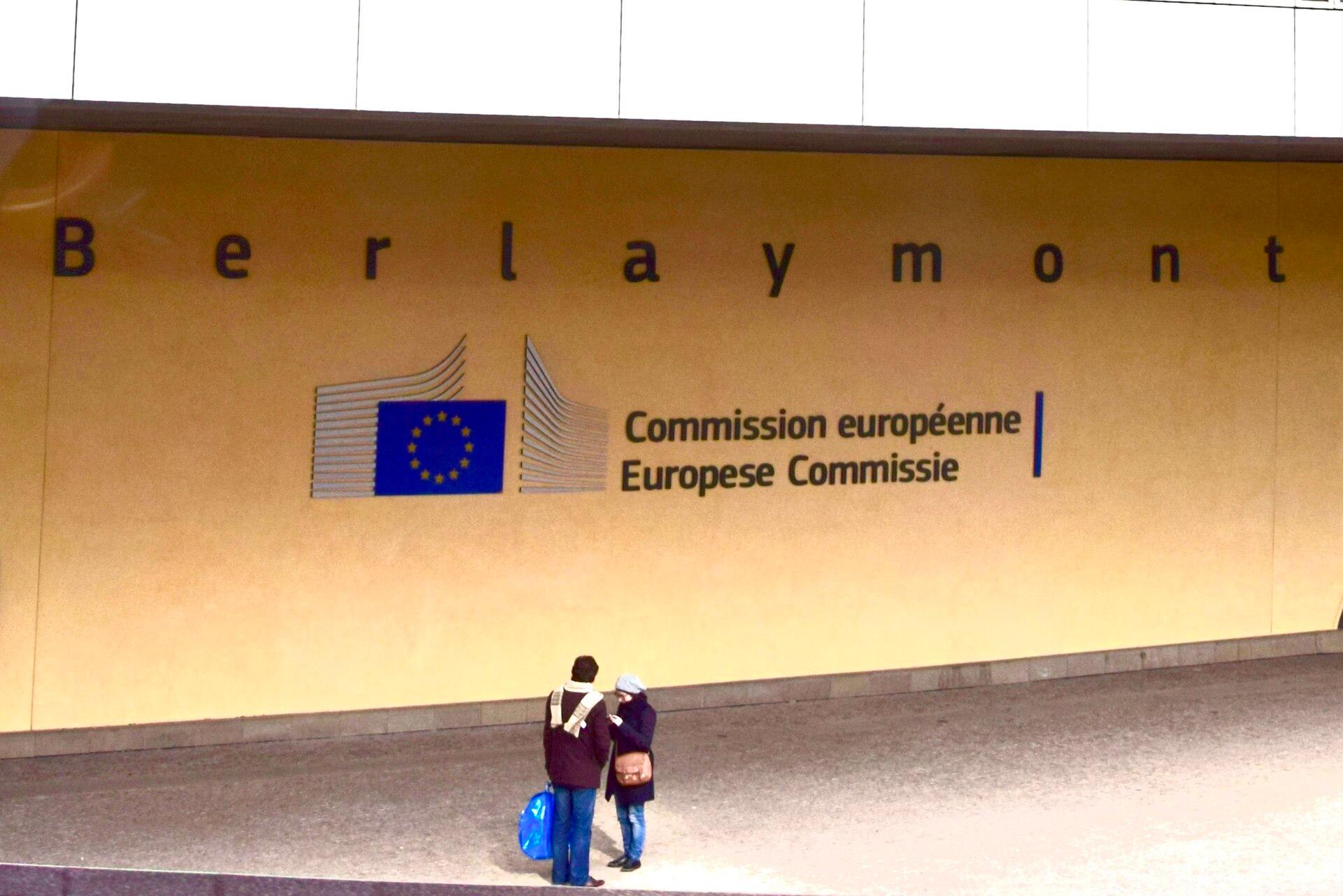




 Photograph: Asoundd/Wikimedia Commons (CC BY-SA 4.0)