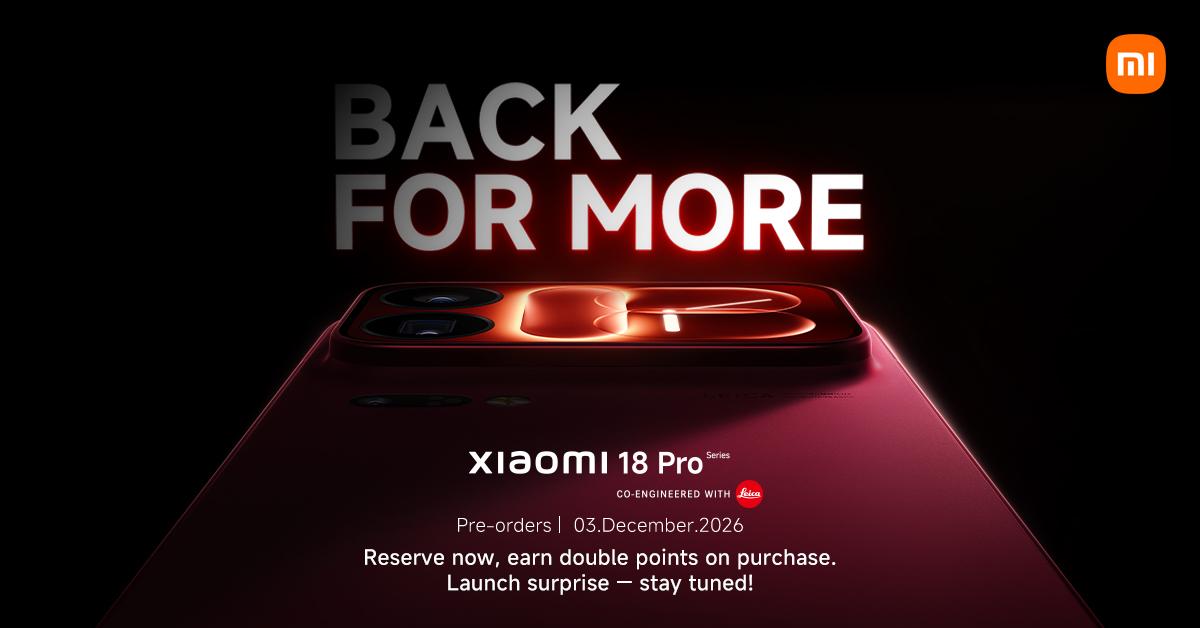
 Photograph: Xiaomi (press image)
Xiaomi 18 Pro and Pro Max launch globally
European prices start at €1,399.99 for the Xiaomi 18 Pro and €1,599.99 for the 18 Pro Max; the global Pro Max has a 7,050mAh battery.
Jules Park, Nov 19, 2026
Unpatched FastUnlock technique uses Win+U Narrator shortcut from the 'I forgot my PIN' prompt and runs programs as the lock-screen account.

On Thursday, a security researcher using the online handle Nightmare Eclipse, whom Yahoo Tech named as Abdelhamid Naceri, released FastUnlock, an unpatched lock-screen bypass for Windows 11, on GitHub. Yahoo Tech credited him with about a dozen zero-day Windows findings. Naceri explained that by using just a keyboard and a USB stick, someone with hands on the PC can execute code on a locked BitLocker-encrypted machine. He reported breaching a fully encrypted Windows 11 26H2 machine with the November patch installed in five minutes.
According to the GitHub post, exploiting the flaw requires being physically at the computer and having at least one account on the PC connected to a Microsoft online account. The attack starts at the lock screen's "I forgot my PIN" prompt. When the Microsoft account reset window appears, the attacker presses Win+U and turns on Narrator. Narrator then focuses on a hidden window behind the lock screen. Holding Caps Lock and using arrow keys, the attacker moves to a "Math reading settings" link and presses Caps Lock plus Enter. That opens the Settings app. From there, the post says, AutoPlay for removable drives is set to open File Explorer, and a program runs from a plugged-in USB stick. The program runs with the permissions of "WsiAccount," a dedicated account that Windows employs for the lock screen.
The Hacker News reported that endpoint-security firm ThreatLocker tested the method the same day and confirmed it works. ThreatLocker managed to execute a program from the lock screen using a limited account called WSIAccount, which the firm said lacks administrator rights. The article notes that BitLocker does not stop the attack in common setups. At startup, a TPM automatically releases the drive key, which means the files are already decrypted before the lock screen even shows up. The technique does not defeat the encryption or extract the key. It works only after the computer has already decrypted its own drive.
MLQ.ai reported that, when the technical details were released, Microsoft had not yet issued an advisory or assigned a CVE, and no patch existed. MLQ.ai said Tom's Hardware cited a Reddit sysadmin who reported the bypass worked on Intune-enrolled devices. That user said an attacker could launch programs as the logged-on user and navigate programs left open before the screen was locked.
The researcher has not tested Windows 10, so affected versions beyond Windows 11 are unknown. Until Microsoft patches the flaw, The Hacker News recommends keeping machines physically secured, adding a startup PIN to BitLocker, and shutting down or hibernating devices when they leave someone's control.
Sources: GitHub, Yahoo Tech, The Hacker News, MLQ.ai
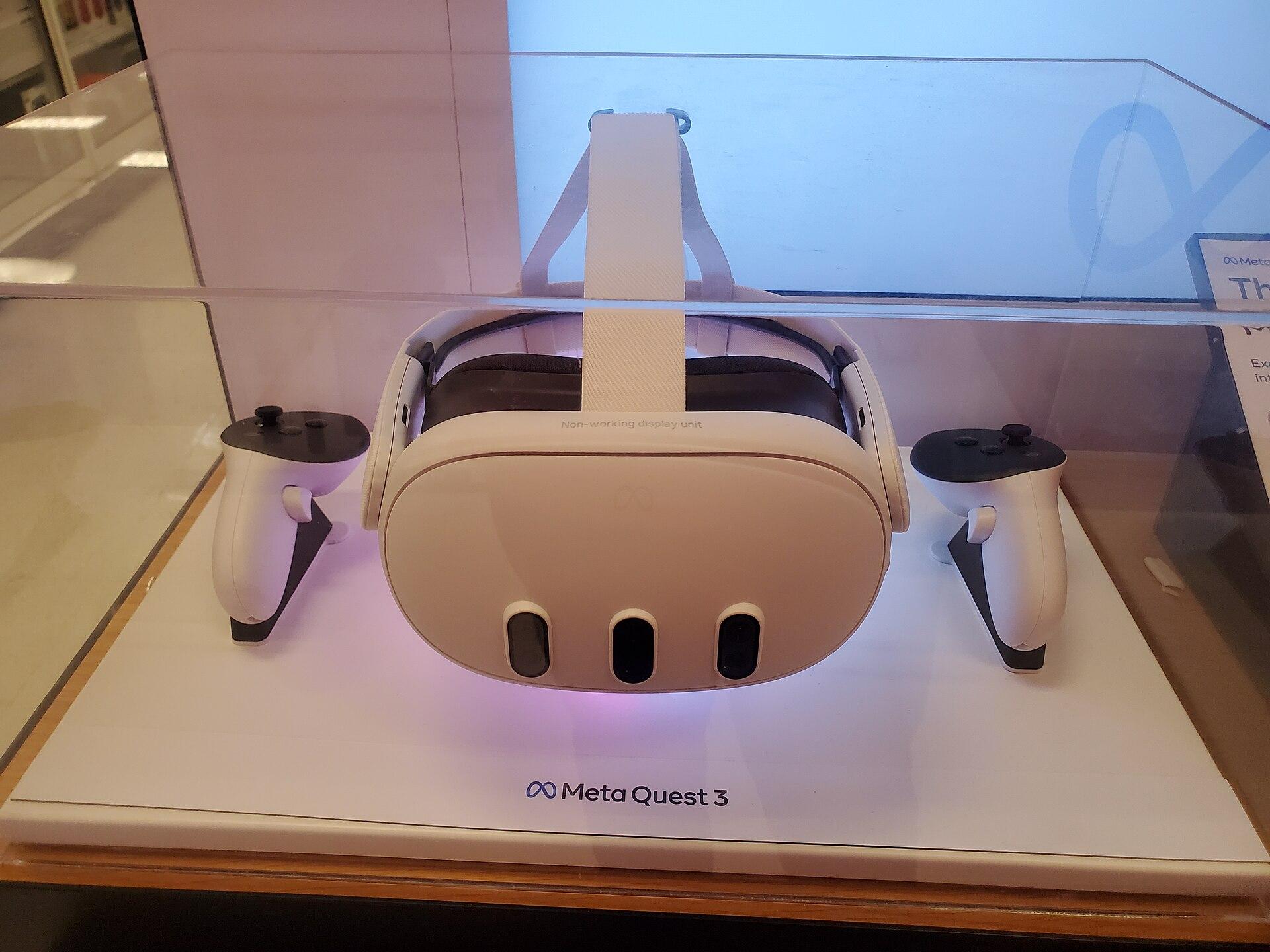 Photograph: IHazACatNamedMax/Wikimedia Commons (CC BY-SA 4.0)
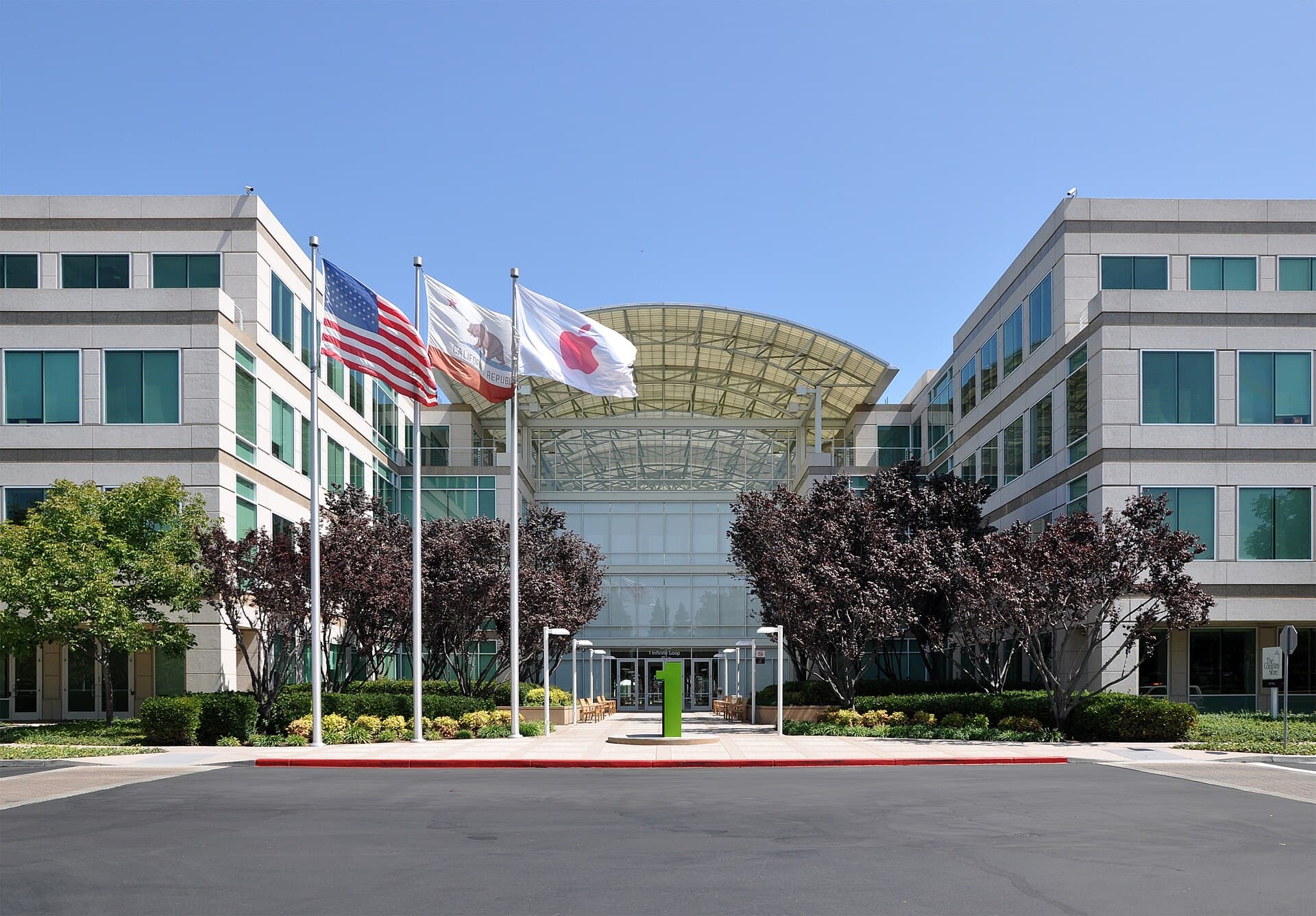 Photograph: Joe Ravi (Shutterstock iStock Dreamstime)/Wikimedia Commons (CC BY-SA 3.0)
 Photograph: mliu92 from San Mateo/Wikimedia Commons (CC BY-SA 2.0)
 Photograph: Asoundd/Wikimedia Commons (CC BY-SA 4.0)
 Photograph: Rockstar Games (press image)Photograph: Xiaomi (press image)
European prices start at €1,399.99 for the Xiaomi 18 Pro and €1,599.99 for the 18 Pro Max; the global Pro Max has a 7,050mAh battery.
Jules Park, Nov 19, 2026
 Photograph: Jijithecat/Wikimedia Commons (CC BY-SA 4.0)
The new model costs $3 per million input tokens and $15 per million output tokens, with a 1 million-token context window, and is available now to paid Gemini subscribers.
Jules Park, Nov 18, 2026
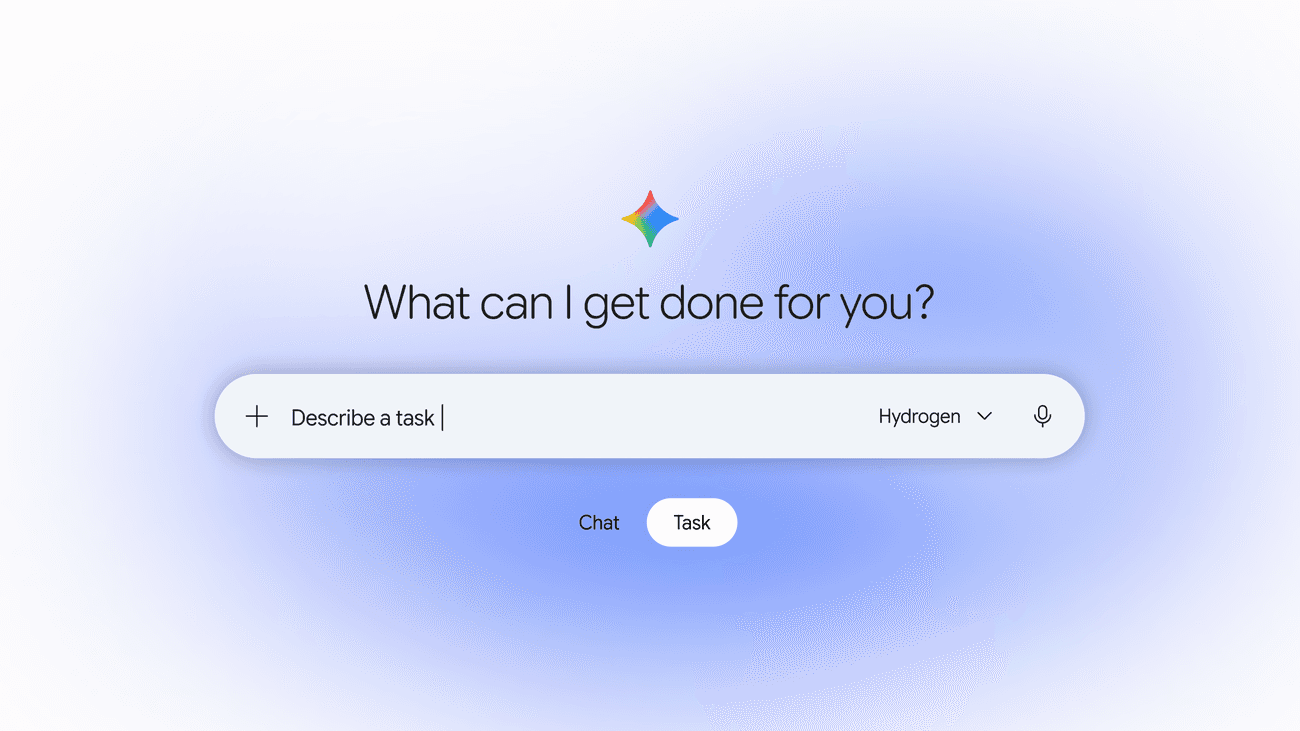 Photograph: Google (press image)
The rebranded Spark agent runs on Gemini 4 Hydrogen, with calls, payments and messaging available only in the US.
Jules Park, Nov 17, 2026