Virginia and Oregon sue SpaceX over Grok deepfakes
The attorneys general say Grok's "spicy mode" allowed non-consensual sexual images and child sexual abuse material, breaking state consumer protection laws.
Jules Park, phones and wearables correspondent2 minute read
An American flag hangs inside SpaceX headquarters in Hawthorne, California. Photograph: SpaceX/Wikimedia Commons (CC0)
Oregon and Virginia have filed lawsuits against SpaceX Super Intelligence over Grok, making them the first states to sue over the AI image generator, CNBC reported. Oregon filed its complaint with Multnomah County Circuit Court on Sunday evening, and Virginia filed with Richmond Circuit Court on Monday morning, according to CNBC. Both complaints allege that SpaceX failed to implement safeguards and misrepresented Grok and X as generally safe, which the states claim violates Virginia's Consumer Protection Act or Oregon's Unlawful Trade Practices Act, according to CNBC. CNBC noted that X allows minors 13 and older to use the platform. Both states are seeking injunctions, civil penalties, disgorgement and legal costs, and Virginia also wants restitution for consumers, CNBC reported. SpaceX did not immediately reply to a request for comment, according to CNBC. In an earlier case brought by Baltimore, SpaceX argued that Section 230 protects it from liability for user-generated images, CNBC reported. Virginia Attorney General Jay Jones wrote that the content "can cause fear, distress, and anxiety in those who are unwillingly exposed to the content," and Oregon Attorney General Dan Rayfield wrote that it "erodes important norms regarding consent and privacy and trivializes sexual imagery, abuse, and exploitation," according to CNBC.
The lawsuits target Grok's "spicy mode," which the complaints say was released to "push its lagging product to tens of millions of new users" and allowed creation of child sexual abuse material, Engadget reported. Virginia Attorney General Jay Jones said in a press release, "This lawsuit is about seeking justice for the millions of Virginians who maintain accounts on X and were misled by the company's false reassurances that their data and images would be safe on the platform," according to Engadget. X Safety posted Monday that those who use Grok for sexually explicit deepfakes "deliberately" violated the Terms of Service, and that the company will "keep testing and adjusting those protections as these abusers change tactics," Engadget reported. The post also stated that "protecting children is non-negotiable" and that child sexual abuse material "has no place on X or in Grok," according to Engadget.
Virginia's lawsuit references estimates from a Center for Countering Digital Hate study indicating that Grok created and posted millions of explicit images on X between December 2025 and January 2026, including over 20,000 images of children, The 420.in reported. The filings note these figures are research estimates, not facts proven in court, according to The 420.in. The same outlet reported that SpaceX faces more than a dozen separate lawsuits from individuals claiming Grok was used without permission to create explicit images of them, and that UK lawmaker Jess Asato has also sued the company. SpaceX has countered in court that clearly fictional and AI-generated content does not violate a person's privacy rights, The 420.in reported. SpaceX bought xAI in February and renamed the AI unit SpaceX Super Intelligence in October, according to The 420.in. SpaceX has separately sued at least two individuals in the U.S., claiming they misused Grok to create child sexual exploitation material, The 420.in reported.
The new suits add to broader scrutiny of AI deepfake tools. Earlier this month, Gadgetry reported that a WIRED investigation found more than 400 AI apps with hidden sexual deepfake features reached Apple's App Store and Google Play.
Google is rolling out opt-in links that let AI Mode read Wallet spending, Drive documents and Gemini chats, with Drive and Gemini app support arriving in coming weeks.
The checks expand beyond Google Play to seven app distributors first, then all certified Android devices over several months; users who sideload face a 24-hour wait.
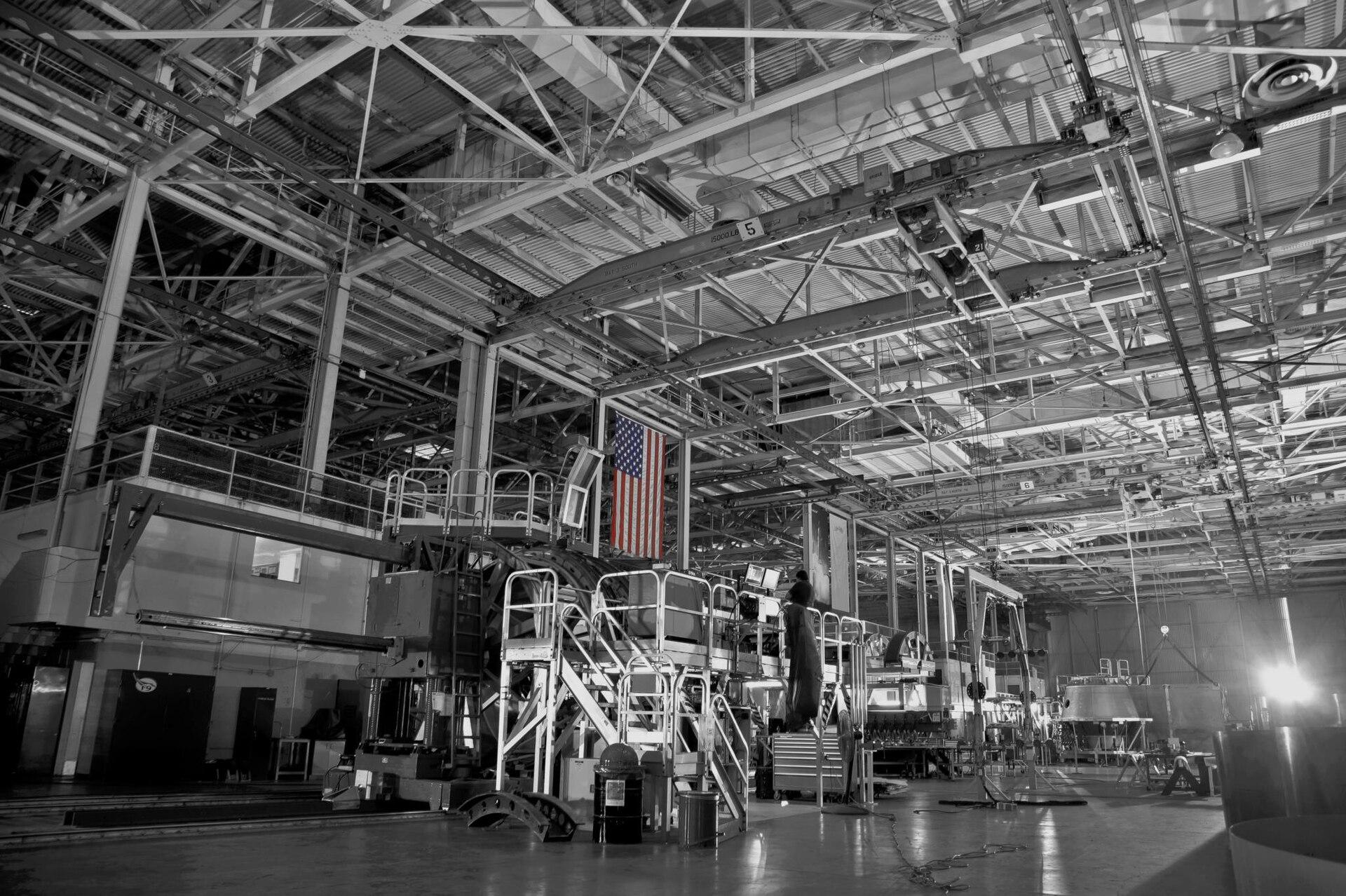

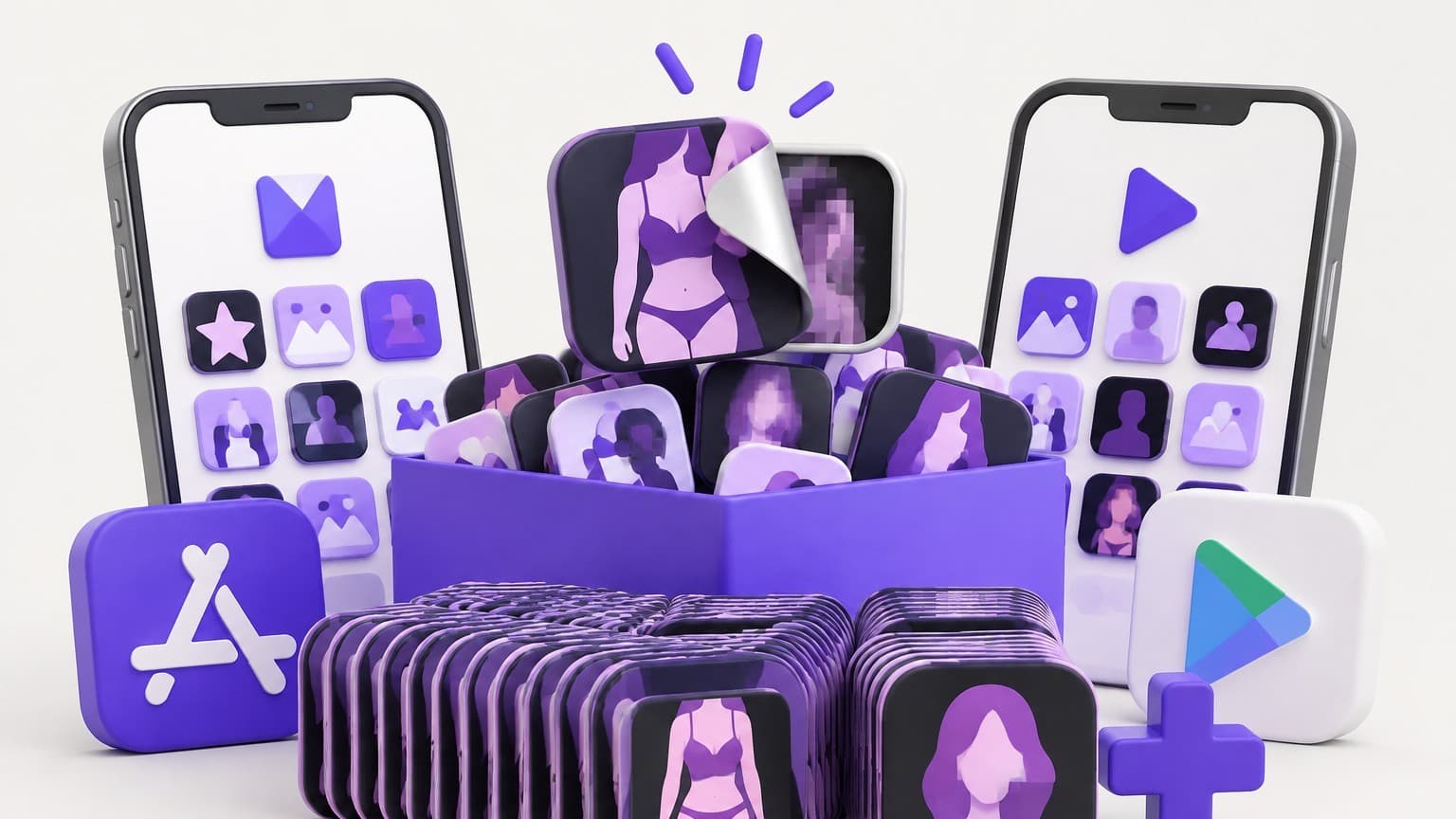 Illustration: Gadgetry