Motorola launches Signature 27 with 7,000mAh battery and 200MP zoom
The $1,599 Android phone goes on sale November 26 with a 6.8-inch display, Snapdragon 8 Elite Extreme Gen 6, and seven years of OS upgrades.
Jules Park, Nov 7, 2026
WIRED found the apps posed as benign tools, then loaded explicit interfaces; Apple removed 19 and Google removed most.

A network of more than 400 AI apps concealing sexually abusive deepfake features reached Apple’s App Store and Google Play, according to a WIRED investigation published Monday. 9to5Mac reported that the same apps were also available in the Google Play Store. The apps were disguised as everyday tools such as pet portrait makers, language tutors, and AI workout coaches, but could load explicit interfaces under certain conditions, WIRED reported.
WIRED said the apps used bait-and-switch methods. They displayed harmless content during app review, but a server-side check could unlock hidden features. Downloading one of the apps after tapping an ad on Meta’s Facebook or Instagram appears to be one trigger. Once unlocked, the hidden web interface offered dozens of pornographic photo and video templates, including scenes labeled “bedroom rape” and “threatening knife.” Users could buy credits called diamonds to generate deepfakes from uploaded photos.
Apple removed 19 apps, including a pet photo app called Viefur, after WIRED contacted the company and provided the domains, WIRED reported. Apple spokesperson Adam Dema said the apps had met Apple’s rules at review. Apple said it had suspended tens of thousands of apps using bait-and-switch tactics over the previous year and recently updated App Store rules to further restrict nudify tools. Apple said it had suspended tens of thousands of apps using bait-and-switch tactics over the previous year and recently updated App Store rules to further restrict nudify tools.
Google removed the majority of the apps before WIRED contacted it, according to WIRED. Google did not respond to a request for comment.
The operation appears to involve Chinese developers and a Hong Kong company named KeLing Technology Limited, based on an examination of web domains and service behavior, WIRED reported. Researchers said the code is written in Chinese and uses Chinese hosting, and explicit video ads carried watermarks from Chinese-language video editing software. After WIRED contacted KeLing email addresses, someone removed public connections between the company and the deepfake tools.
Meta took action against ad accounts, business pages, users and pages linked to the domains and blocked 209 apps from advertising on its platforms, WIRED reported. Meta told WIRED it took action against 11,600 ad accounts, over 4,700 business pages, 5,200 users, and 15,000 pages. A Meta spokesperson said: “We have strict rules against promoting nudify apps and work aggressively to keep this material off our services.” 9to5Mac reported Meta said it had acted against more than 10,000 ad accounts tied to the apps.
One popular app in the network, DiffAI, had been downloaded more than 100,000 times from Google Play before its removal, according to WIRED. Across the network, apps had been downloaded collectively more than 350,000 times and many were rated suitable for all ages, based on research from AI Forensics. Paul Bouchaud, lead researcher at nonprofit AI Forensics, said: “This is an organized, commercially run operation: One operator behind hundreds of disposable apps and domains, cloaked to pass App Store review and pushed through tens of thousands of Meta ads under fake payer names.”
Toward the end of the investigation, comparable ads and apps were still appearing on the platforms, WIRED noted.
 Photograph: Cristiano Tomás/Wikimedia (CC BY-SA 4.0)
 Photograph: Google (press image)
 Photograph: Alexis Lamster/Wikimedia Commons (CC BY 2.0)
 Photograph: Pokechu22/Wikimedia Commons (CC BY-SA 4.0)
 Photograph: The Conmunity - Pop Culture Geek from Los Angeles, CA, USA/Wikimedia Commons (CC BY 2.0)
The $1,599 Android phone goes on sale November 26 with a 6.8-inch display, Snapdragon 8 Elite Extreme Gen 6, and seven years of OS upgrades.
Jules Park, Nov 7, 2026
 Photograph: Apple (press image)
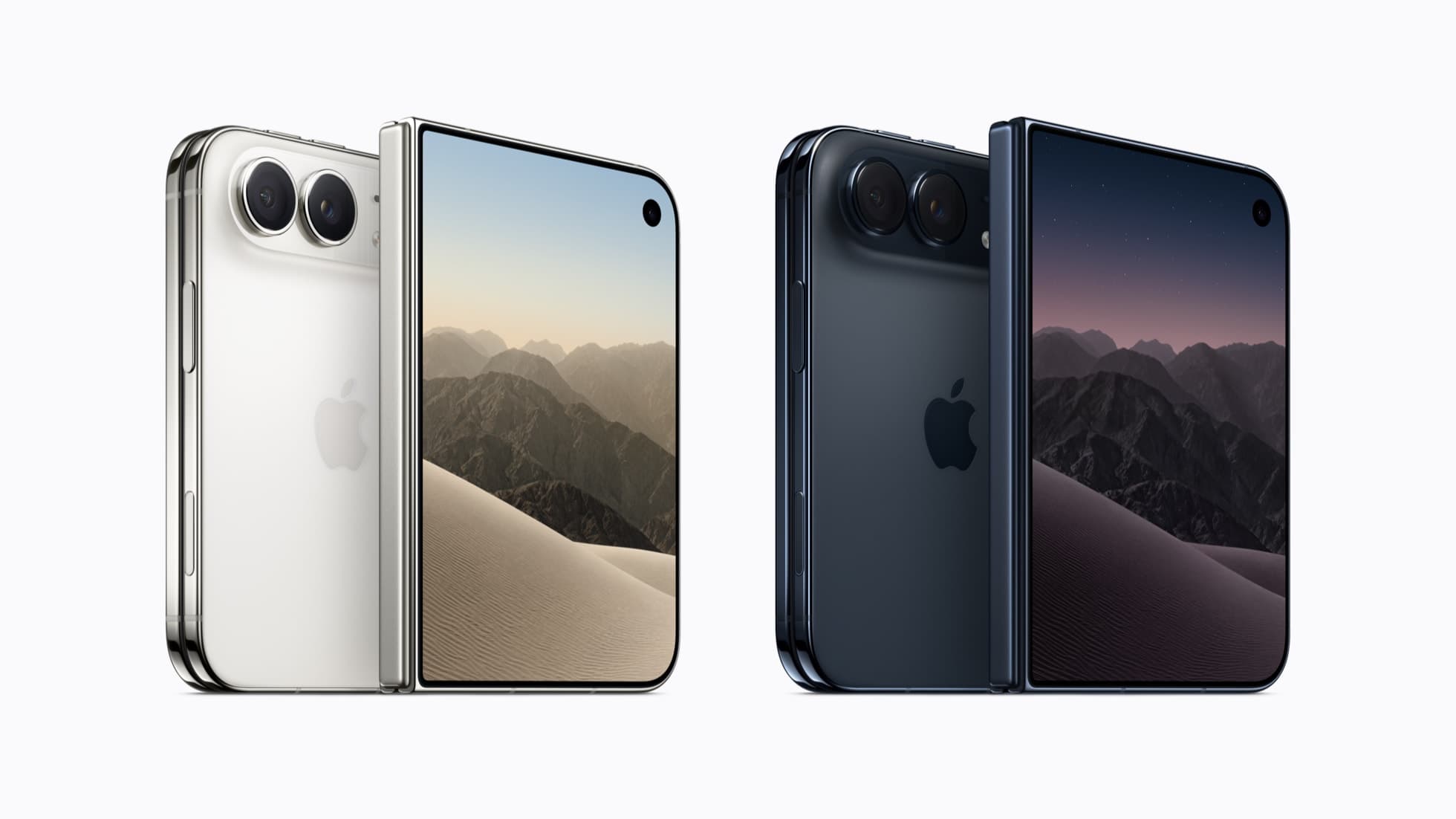
Apple's first foldable starts at $1,999 and opened preorders on October 16. CNET's machine has folded it over 260,000 times, and Trend Micro warns about fake ordering sites.
Sasha Lind, Nov 5, 2026
 Photograph: Motorola (press image)
The 6.8-inch Android 17 phone packs a Snapdragon 8 Elite Extreme Gen 6, 7,000mAh battery and 200MP telephoto camera; pre-order dates differ by source.
Sasha Lind, Nov 5, 2026