Microsoft Moves Antivirus Functions Out of Windows Kernel
CrowdStrike, Bitdefender, ESET and others plan to adopt the new Windows APIs, while Windows 11 26H2 installs automatically with Memory Integrity on eligible PCs.
Dev Anand, audio and smart home correspondent2 minute read
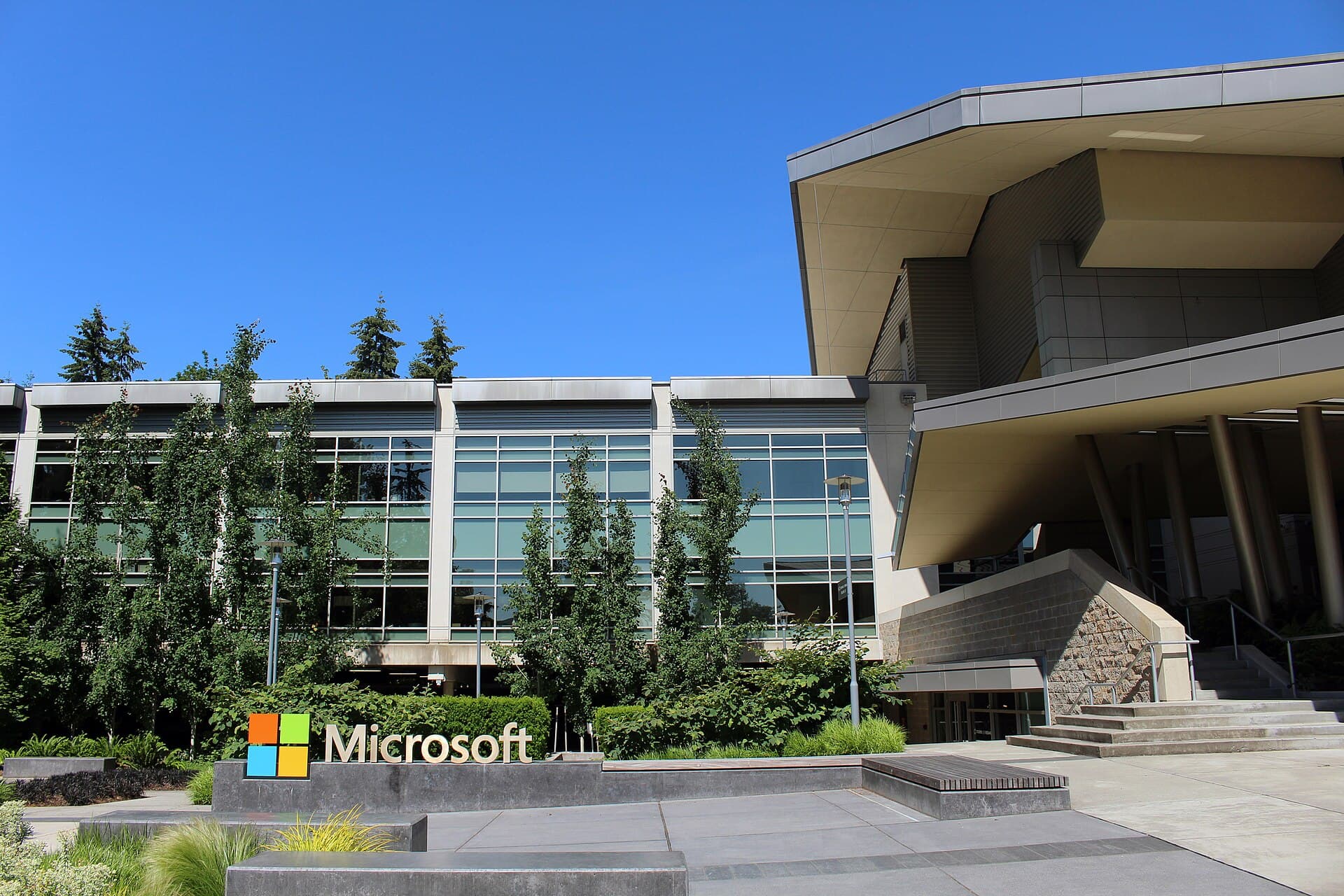
Building 92 on Microsoft's corporate campus in Redmond, Washington. Photograph: Coolcaesar/Wikimedia Commons (CC BY-SA 4.0)
Microsoft is shifting supported security features from third parties out of the Windows kernel, providing a set of Windows APIs that operate in user mode, according to Windows Latest. The platform, revealed at Ignite 2026, comes after the July 19, 2024 faulty CrowdStrike Falcon Sensor update that took down about 8.5 million Windows machines.
Pavan Davuluri, who leads Windows, said that security protections had run in the kernel, where a single fault could take down the whole machine. Under the new platform, Windows manages the link to the system, and the security product gets alerts, applies its policies and stops activity as needed, Microsoft stated in a document reviewed by Windows Latest. The initial APIs allow vendors to watch file systems, processes, the Windows registry and Object Manager.
Microsoft said Windows Defender, ESET, CrowdStrike and Bitdefender are adopting the API. Bitdefender plans to start rolling out support in Q4 2026 with broader availability in early 2027; CrowdStrike expects Falcon support in Q1 2027, ESET in February 2027, and Microsoft Defender in Q1 2027 as a preview. Sophos is building an integration to block malicious or untrusted drivers as Windows starts. CrowdStrike said the new APIs will "augment the kernel-level protection Falcon customers already count on," without abandoning kernel-level protection entirely.
BetaNews reported that Windows 11 version 26H2 began installing automatically on eligible PCs on November 18, first covering machines on 24H2 and 25H2 that IT departments do not manage. Users who want it sooner can still check Windows Update and select Download & install. On an 8GB laptop, one hands-on test recorded RAM in use after restart falling from about 5GB under 25H2 to about 3.3GB after installing 26H2. Davuluri said in a November 3 post that responsiveness on those machines rose by up to 20%, and Windows can hold as much as 2GB more active data in memory with build 26300.9818 or later.
Beginning with the optional KB5127936 preview on October 28 and continuing with KB5132061 on November 10, Windows may enable Memory Integrity during installation on eligible 25H2 or 26H2 devices. Virtualization-Based Security will also switch on where missing. Microsoft said Windows automatically evaluates readiness before enabling memory integrity.
The feature has a known cost for gamers. A 2023 test with a Core i9-13900K and RTX 4090 showed about a 5% average slowdown in games, and up to 10% in some titles. Riot Games mandates Memory Integrity for its optional Vanguard Pre-Check anti-cheat mode, which runs only when a Riot game launches and only on PCs with HVCI and VBS turned on.
KB5132061 had failed to install on some Windows 11 24H2 Enterprise and Education devices with errors 0x80070306, 0x800f0989 or 0x800f0993. Microsoft stated that a fix was distributed automatically via Windows Update starting November 11, and the problem was marked resolved on November 16.
The next Xbox still has no price or release date, but Jason Ronald says it is a console first, with PC libraries and four generations of backward compatibility.
Eligible workers in the US, Canada, India and UK up to vice president level must decide by early December; about 27% of Microsoft's workforce is eligible.



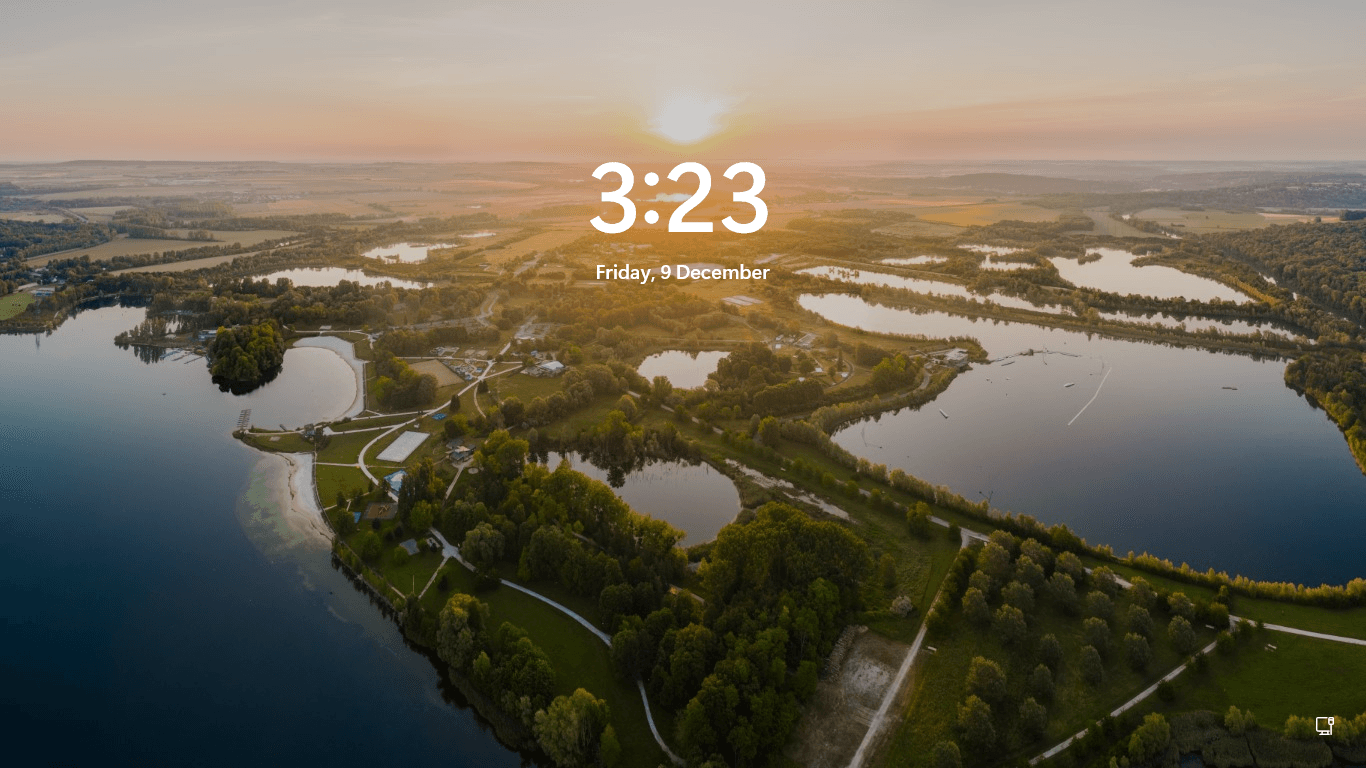 Photograph: Background: Benh LIEU SONG This screenshot: Microsoft/Wikimedia Commons (CC BY-SA 4.0)