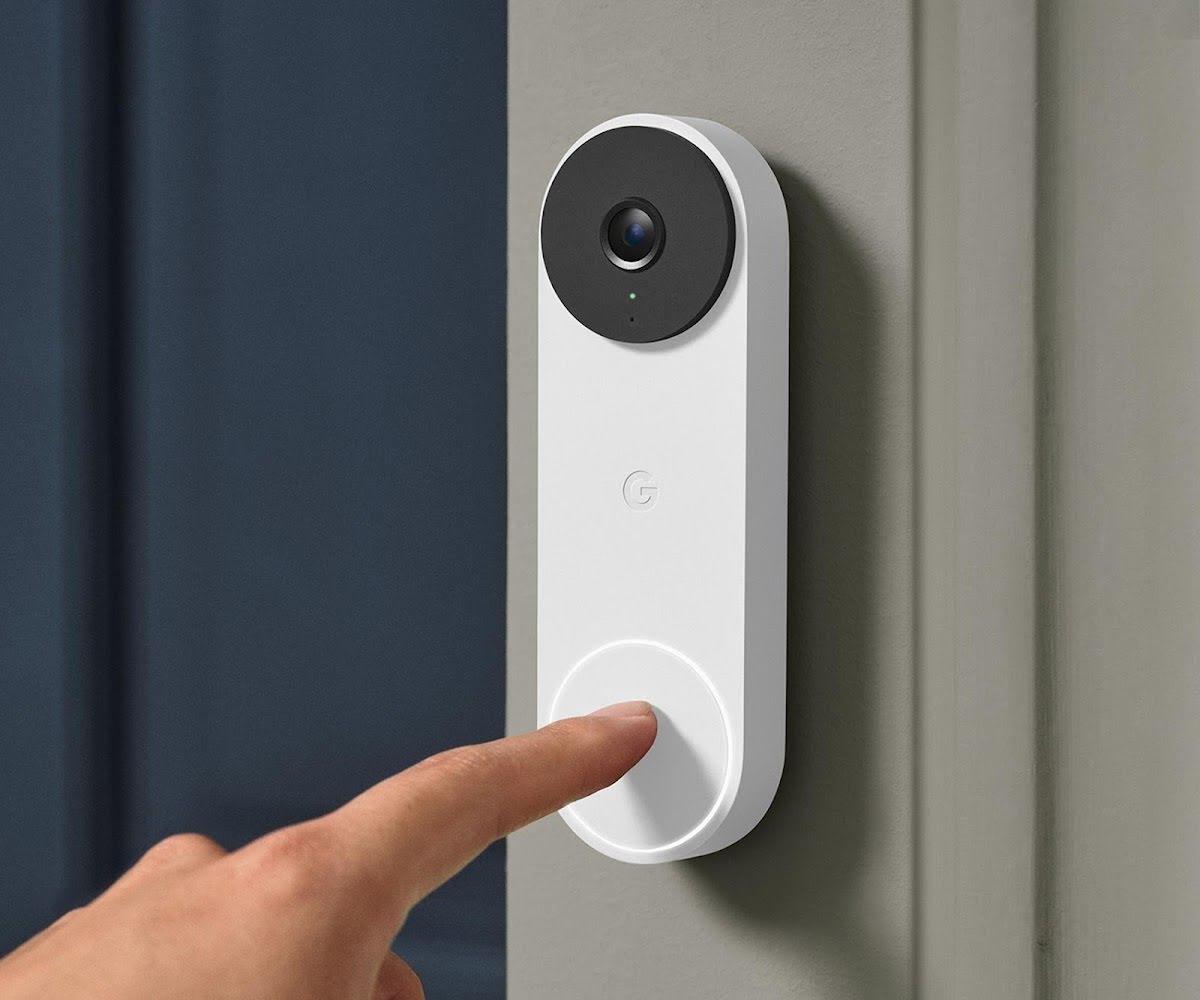
 Photograph: Google (press image)
Google Nest Doorbell live view broken for many owners
First-gen wired Nest Doorbell owners report live video feeds failing in the Google Home app. Google has not confirmed a fix.
Dev Anand, Nov 7, 2026
Google booted the satellite's TPUs and ran its onboard Gemma 4 model, which answered a prompt with a haiku about being in space. The test is part of Project Suncatcher, an effort that could put AI data centers in space.
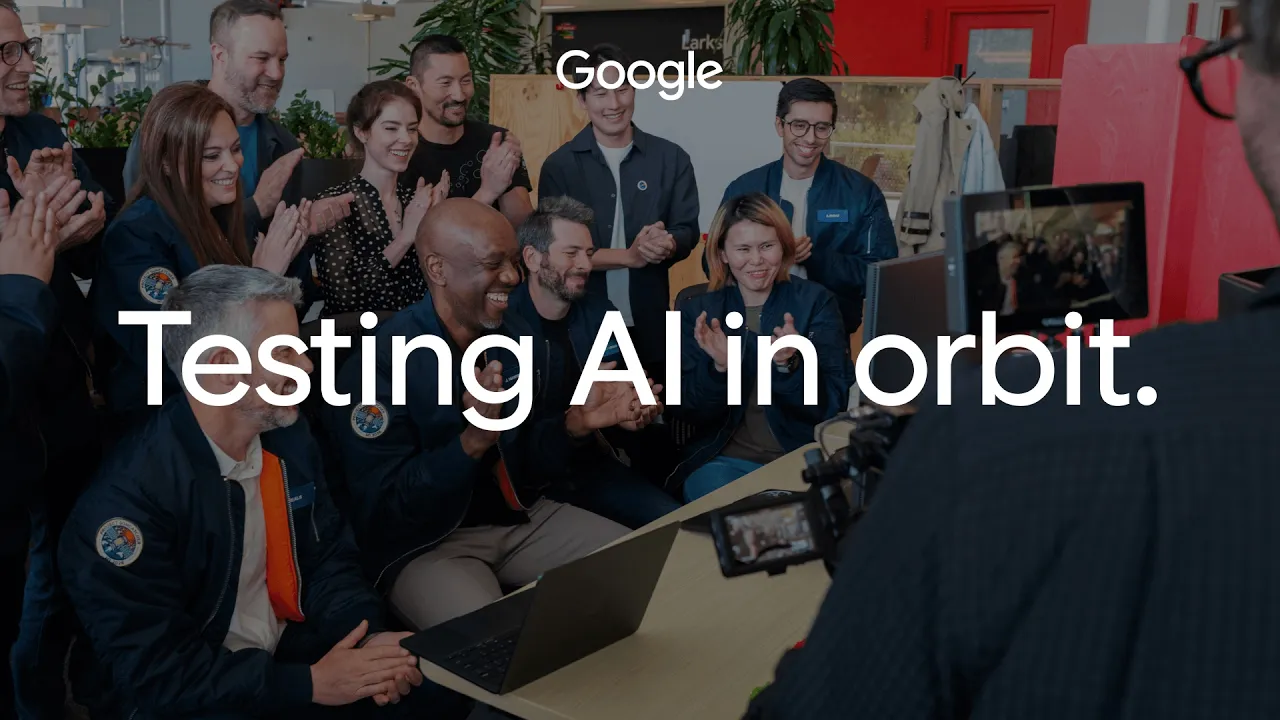
The Verge reported on Friday that Google's Project Suncatcher satellite has returned its first AI response from orbit. Google said in a blog post that it booted the satellite's Tensor Processing Units (TPUs) and ran the onboard Gemma 4 model, which answered a prompt by composing a haiku about being in space.
The haiku described Earth as a blue marble and closed with a line about starlight feeding the model's core. The test is the first AI workload the satellite has run since its launch earlier this month. Project Suncatcher is an experimental Google initiative that could eventually place AI data centers in space. Google also said it tried other space-themed limericks and telemetry prompts.
Next, Google will run a series of tests to evaluate how the TPUs hold up under thermal stress and radiation exposure in orbit. "Verifying our TPUs can reliably execute workloads in space paves the way for our next milestone of twin interconnected satellites in 2027," the company said. Google described the successful boot as a step toward proving its TPUs can run reliably in space.
 Photograph: Cristiano Tomás/Wikimedia (CC BY-SA 4.0)
 Photograph: Alexis Lamster/Wikimedia Commons (CC BY 2.0)
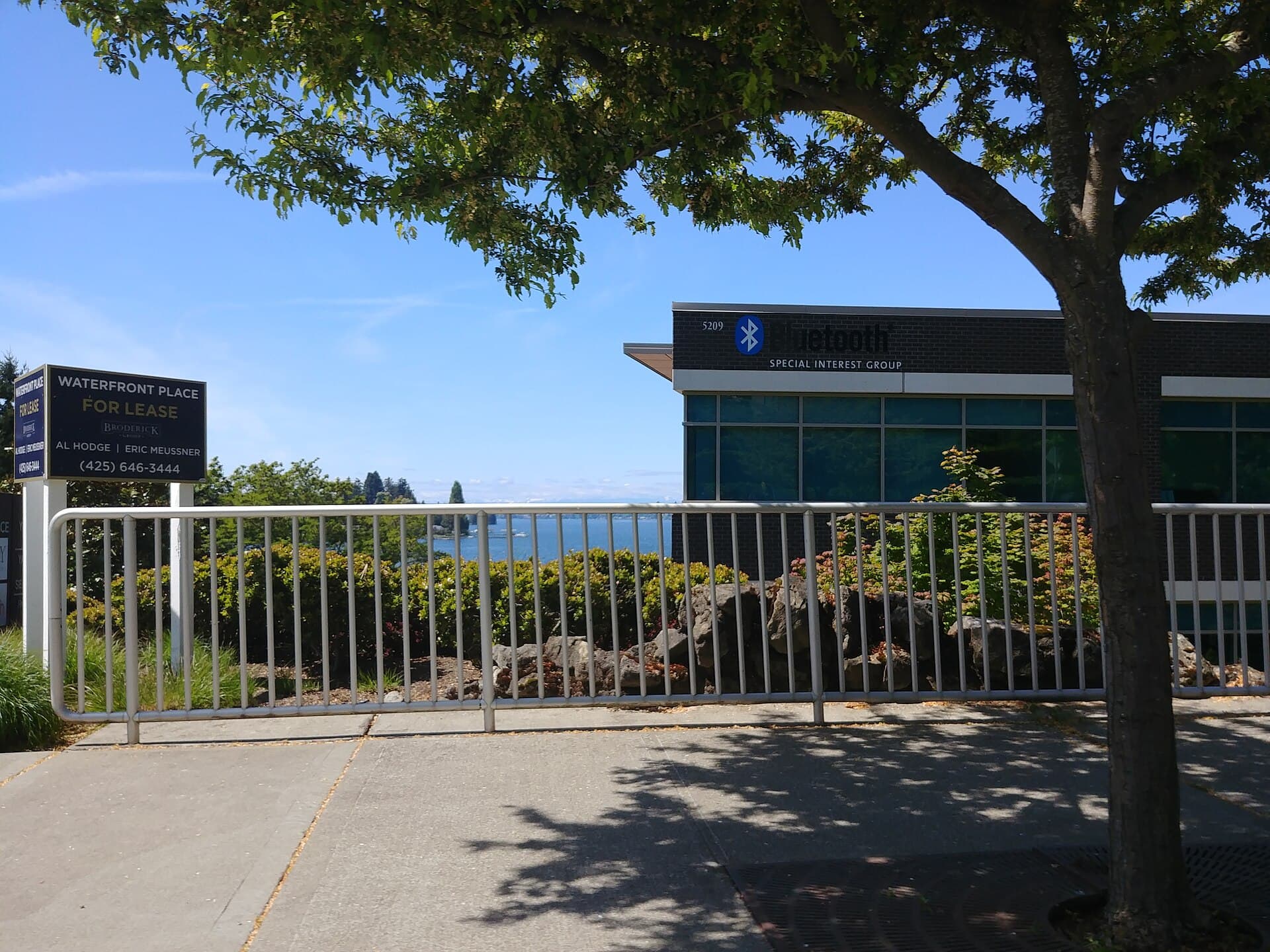 Photograph: Pokechu22/Wikimedia Commons (CC BY-SA 4.0)
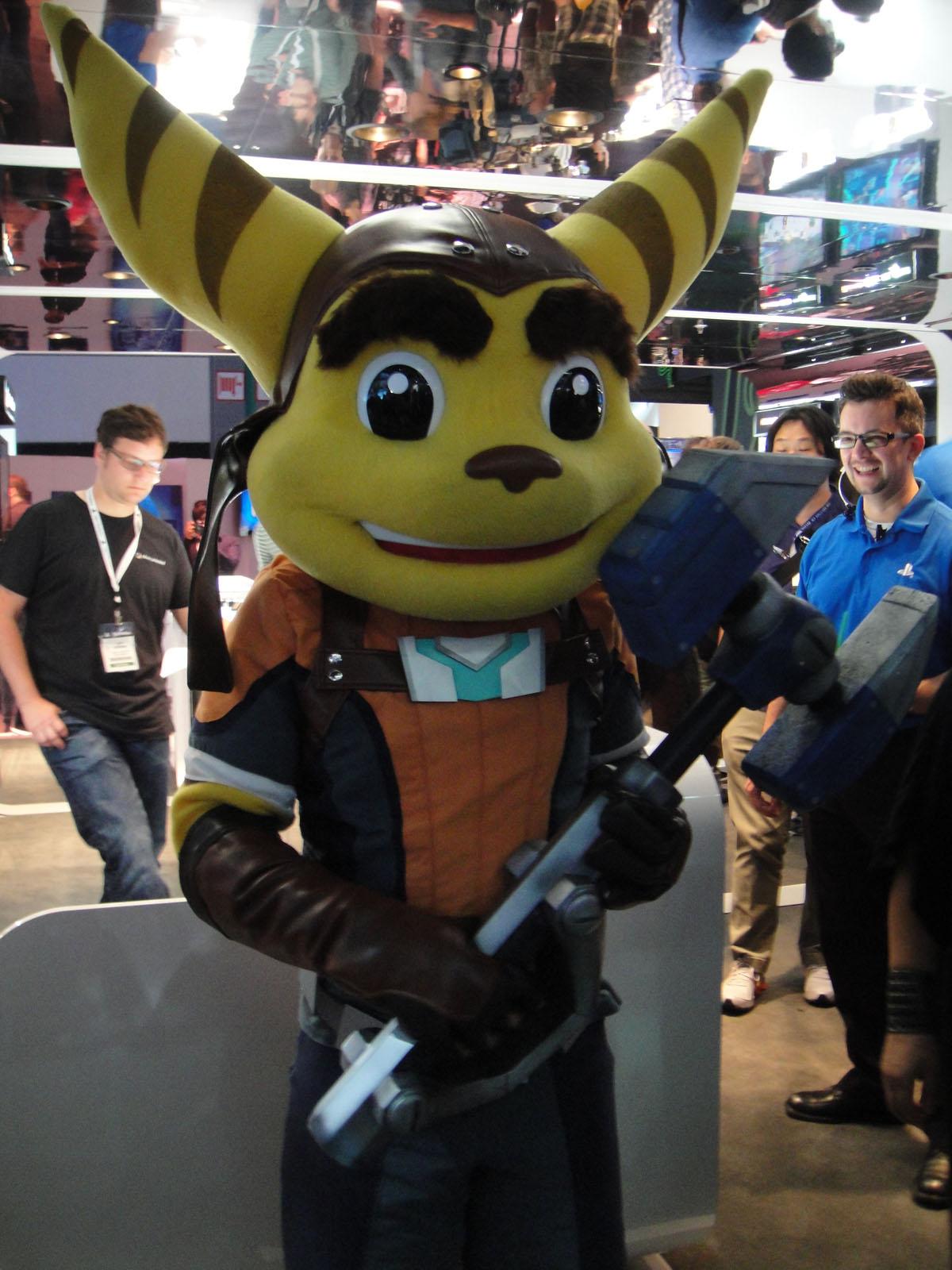 Photograph: The Conmunity - Pop Culture Geek from Los Angeles, CA, USA/Wikimedia Commons (CC BY 2.0)Photograph: Google (press image)
First-gen wired Nest Doorbell owners report live video feeds failing in the Google Home app. Google has not confirmed a fix.
Dev Anand, Nov 7, 2026
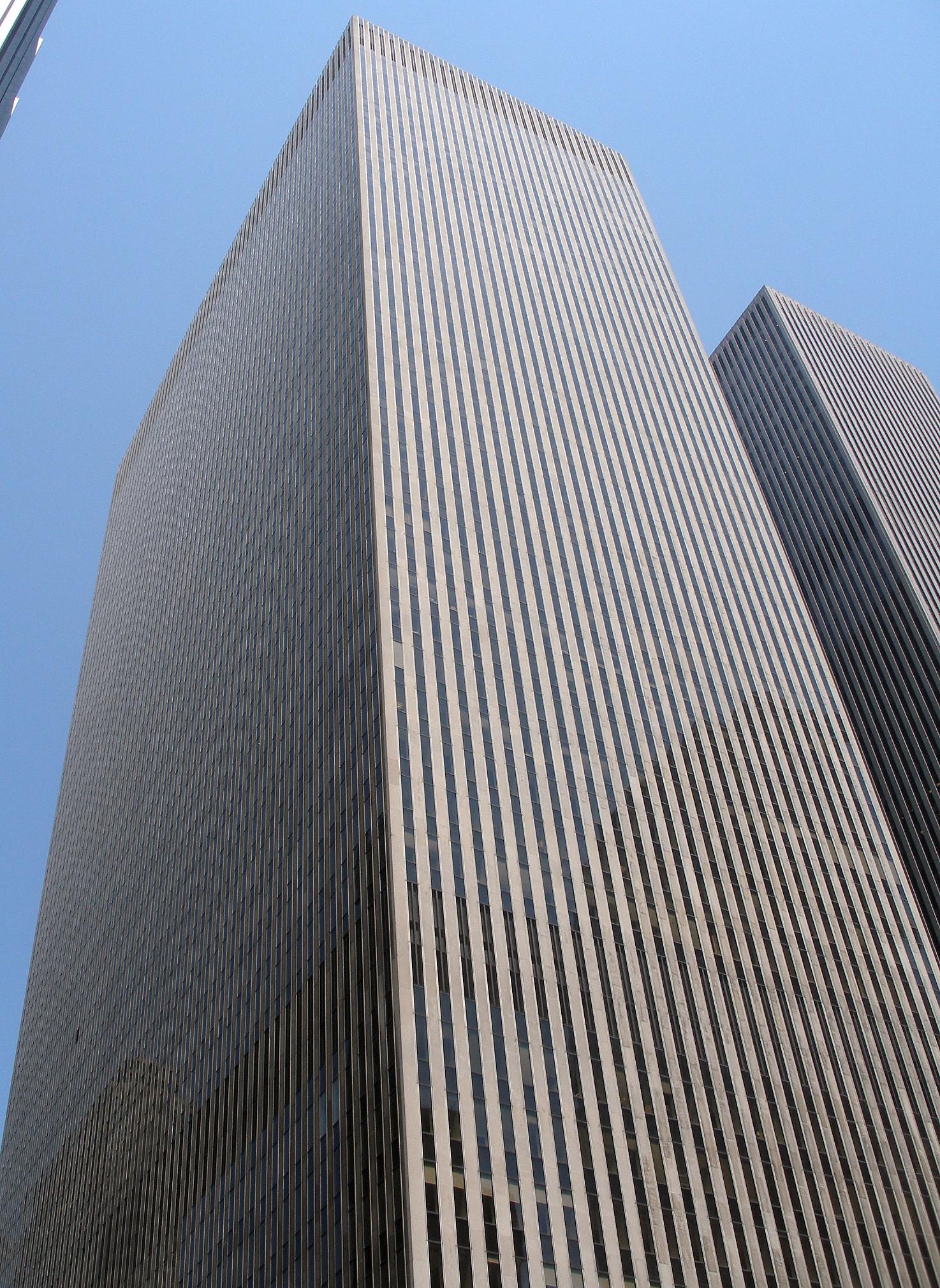 Photograph: Coolcaesar at English Wikipedia/Wikimedia Commons (CC BY-SA 3.0)
The purchase, announced in June, closed months ahead of schedule and combines The Roku Channel with Fox's Tubi and broadcast networks.
Dev Anand, Nov 6, 2026
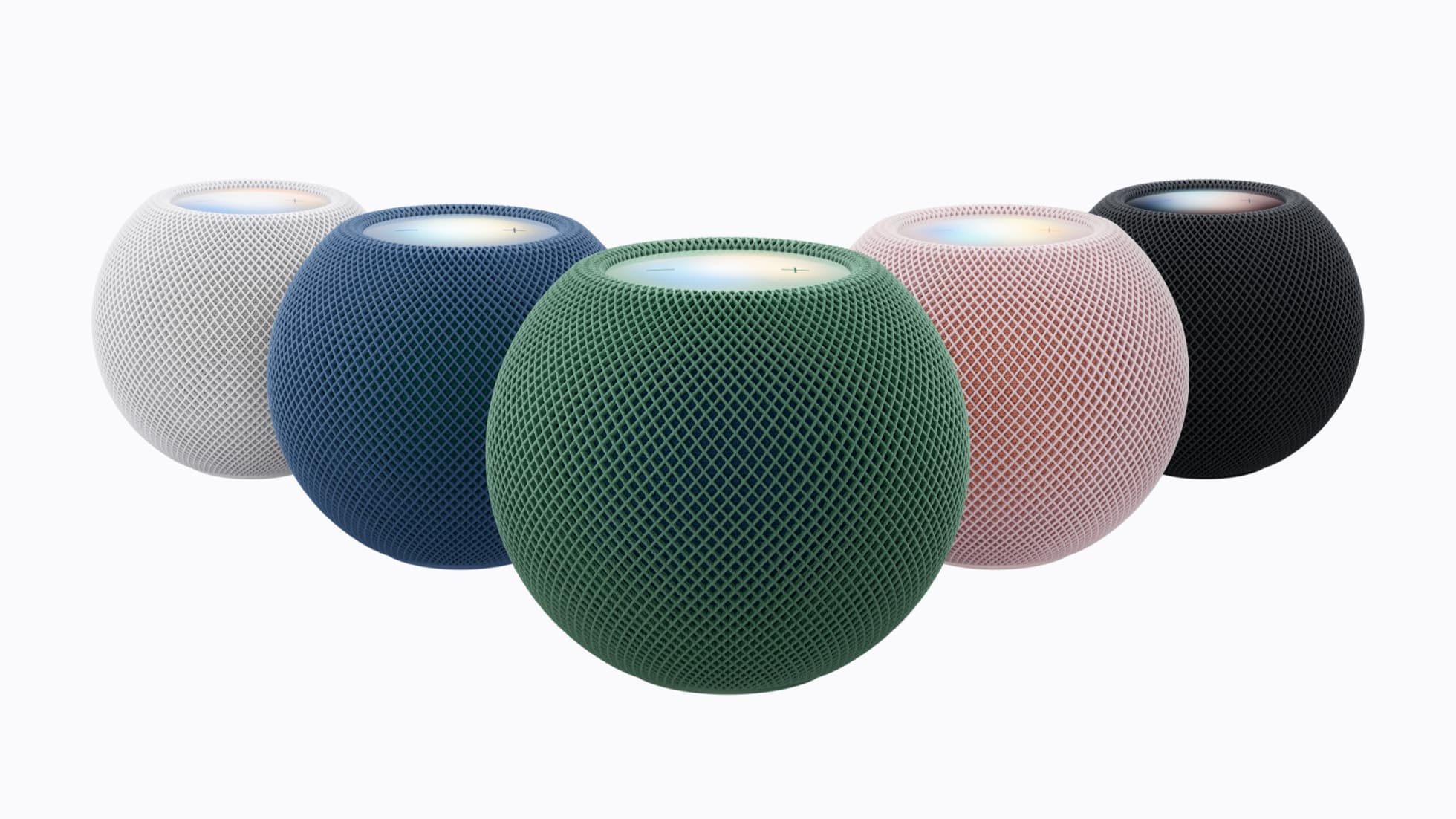 Photograph: Apple (press image)
The $149 speaker adds Wi-Fi 6E, Mac output, and four-speaker surround with Apple TV 4K, but Siri AI won't arrive until a later software update.
Dev Anand, Nov 6, 2026