Synology released critical security updates for its network-attached storage devices on November 20. In its announcement, the company said it had not observed attacks using the flaws and asked owners to apply the updates promptly.
Synology NAS units are small servers for home or office networks that let several devices access files at once, and they run DiskStation Manager, Yahoo Tech noted. The first issue, CVE-2026-123007, belongs to the NGINX2Root family and affects the NGINX web server. A remote attacker could corrupt memory while NGINX handles HTTP/2 traffic and then read or alter files or take the device offline. NGINX has already released its own patch for the issue, Yahoo Tech said. The second issue, CVE-2026-120382, is in the OAuth API, which normally lets third-party applications reach remote resources without a password. The API mishandled input passed to a system command, allowing an attacker to change files or deny use of the NAS. Yahoo Tech reported that Synology posted advisories on November 19 and shipped fixes in DiskStation Manager 7.4.1-90080 Update 2 and 7.3.2-86009 Update 6.
Patches for DSM 7.4 and 7.3 are ready to install, and Synology plans releases for other operating systems and some end-of-life DSM versions later. For users who cannot update immediately, Synology recommends two temporary measures: turn off HTTP/2 in Control Panel > Network > Connectivity, and deactivate the OAuth Service package.
How-To Geek said in its guide that updates for BeeStation OS and other affected versions are still pending. For users who do not receive an update notice, the site outlined manual installation: download the update file for your device from the Synology Download Center, open Control Panel, go to Update & Restore > Update, choose Manual DSM Update, browse for the.pat file, and click OK. The NAS restarts automatically, so let any backups or file transfers finish first. The guide also recalled that on October 29, Synology reported attackers had gone after unsupported DSM versions to encrypt files and demand ransom payments, using a flaw that had been fixed in December 2024.
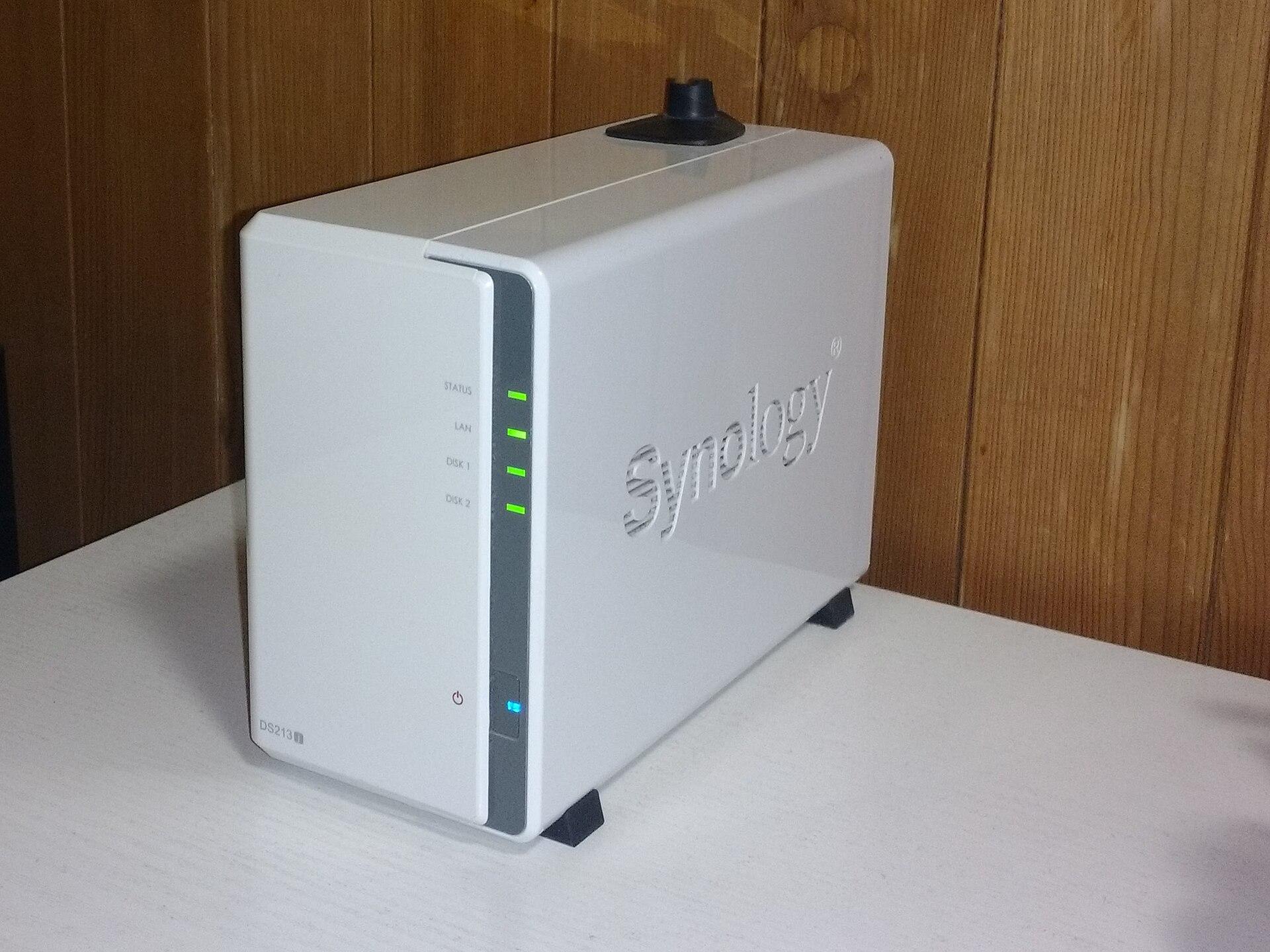





 Photograph: Dllu/Wikimedia Commons (CC BY 4.0)