Motorola launches Signature 27 with 7,000mAh battery and 200MP zoom
The $1,599 Android phone goes on sale November 26 with a 6.8-inch display, Snapdragon 8 Elite Extreme Gen 6, and seven years of OS upgrades.
Jules Park, Nov 7, 2026
The next frontier model ranks first on the Artificial Analysis Intelligence Index and will start with cyber defenders before a consumer launch.
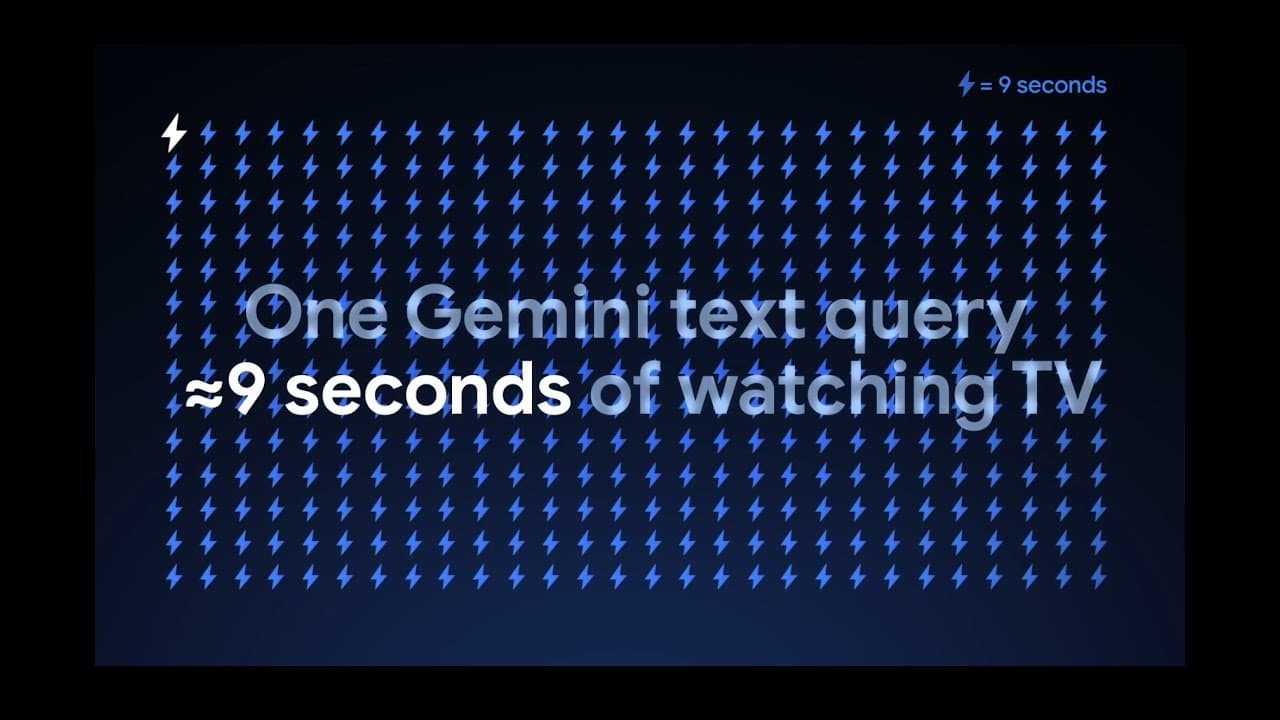
Google announced Gemini 4 Carbon on Oct. 28 as its next frontier model, saying it is the company's most capable model for cybersecurity defense and extended, multi-step work. The company said Carbon ranks first on the updated v5.0 Artificial Analysis Intelligence Index with a score of 59.
On cybersecurity benchmarks, Carbon achieved 88.2 percent on SEC-bench Pro for finding vulnerabilities, 54.8 percent on ExploitGym for exploitation, and 71.0 percent on CWE-bench for patching, according to Google. The company said its internal benchmarks show significantly stronger secure code generation, and live coding environments with its own teams had lower rates of misalignment and fabrication. In web development, Carbon gained 89 elo points to rank fourth with 1769 on WebDev Arena.
Google said Carbon is designed for long-horizon engineering problems and sustained agentic workflows. Its teams have seen the model run for days and persist through dead ends on tasks such as pinpointing the root cause and repairing subtle bugs across large codebases and low-level software. Google also improved performance in coding, agentic and scientific tasks, full-stack web development, and multimodal understanding. The Chrome team reported that Carbon produced quality patches more than 10 times as often as a competing lab's large frontier model, and Wiz observed the model leading web penetration testing benchmarks.
The rollout is deliberate, Google said. The company is engaged in the U.S. government's voluntary process for pre-release model testing, and starting this week Carbon will be available to a subset of cyber defenders. Access will gradually expand to additional trusted partners through the Fairwind Program before the model reaches developers, businesses, and consumers "as soon as possible". Pricing will match Argon's introductory rate: $2 for each million input tokens, $10 for each million output tokens, and cached input tokens will cost 95 percent less than the input price.
On safety, Google said Carbon's rate of successful cheating on Terminal-Bench 4.0 fell to 0.0 percent, and attempted cheating fell to 0.4 percent. High-severity misalignment alerts dropped by almost 80 percent in internal live coding environments, and the model cuts unsupported claims by about 2 times compared with Argon. Carbon also reduced overreach by 26 percent and under-service by 29 percent. On the Gray Swan Indirect Prompt Injection Benchmark, Carbon resisted every evaluated attack with a 0.0 percent success rate, while Argon had 0.7 percent.
9to5Google reported that Google attributed the fast release to researchers and models "working hand in hand to advance capabilities faster".
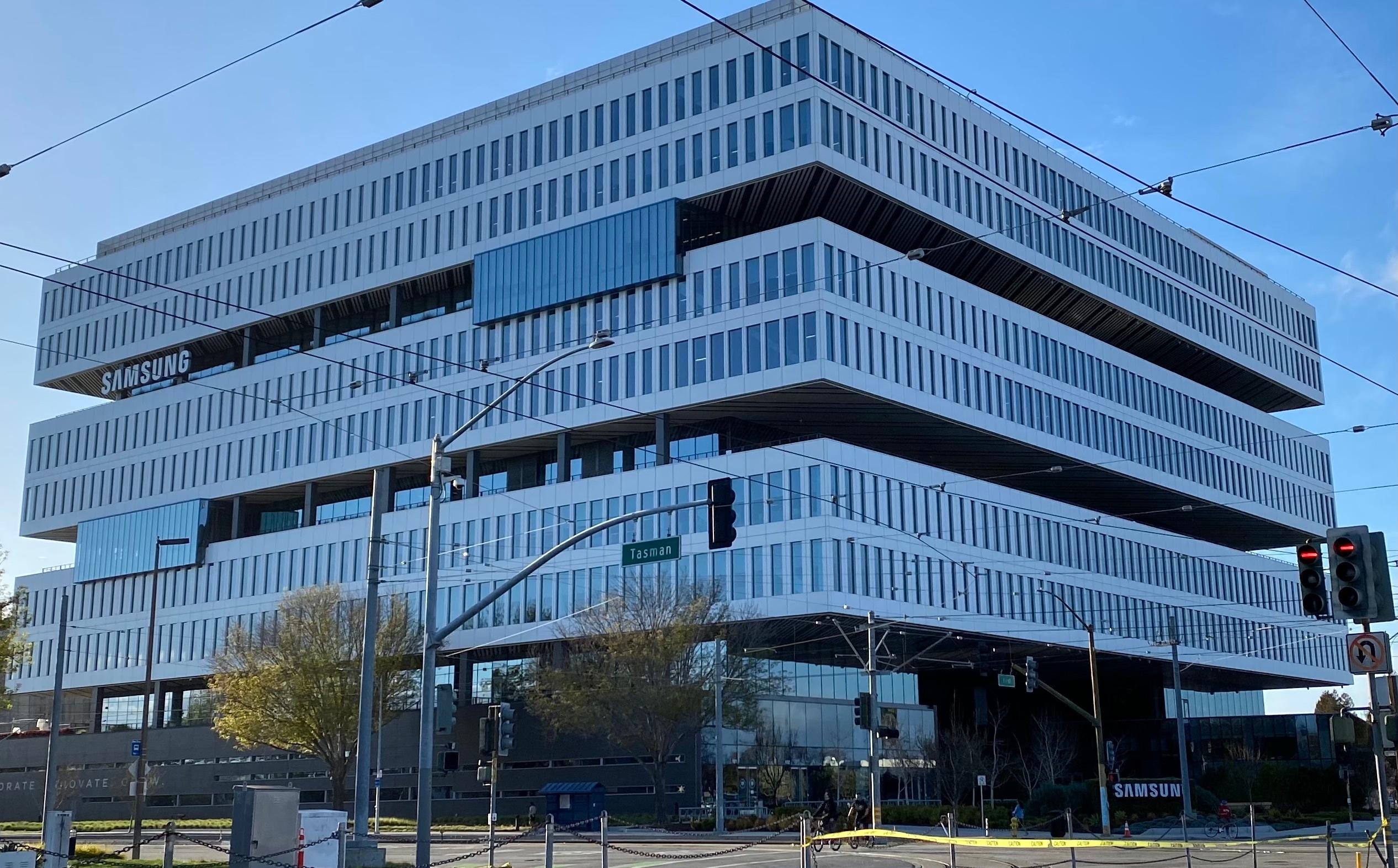 Photograph: Cristiano Tomás/Wikimedia (CC BY-SA 4.0)
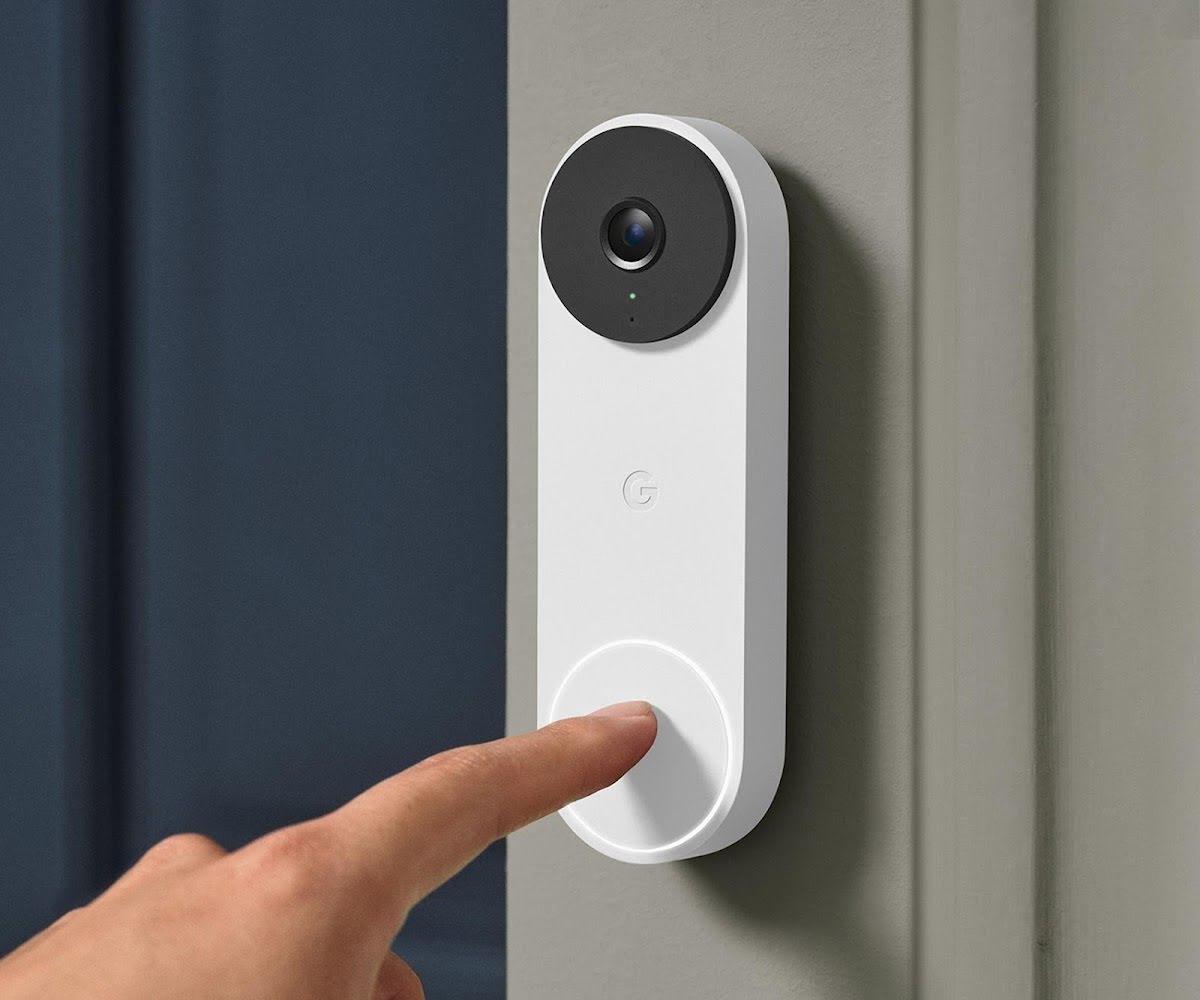 Photograph: Google (press image)
 Photograph: Alexis Lamster/Wikimedia Commons (CC BY 2.0)
 Photograph: Pokechu22/Wikimedia Commons (CC BY-SA 4.0)
 Photograph: The Conmunity - Pop Culture Geek from Los Angeles, CA, USA/Wikimedia Commons (CC BY 2.0)
The $1,599 Android phone goes on sale November 26 with a 6.8-inch display, Snapdragon 8 Elite Extreme Gen 6, and seven years of OS upgrades.
Jules Park, Nov 7, 2026
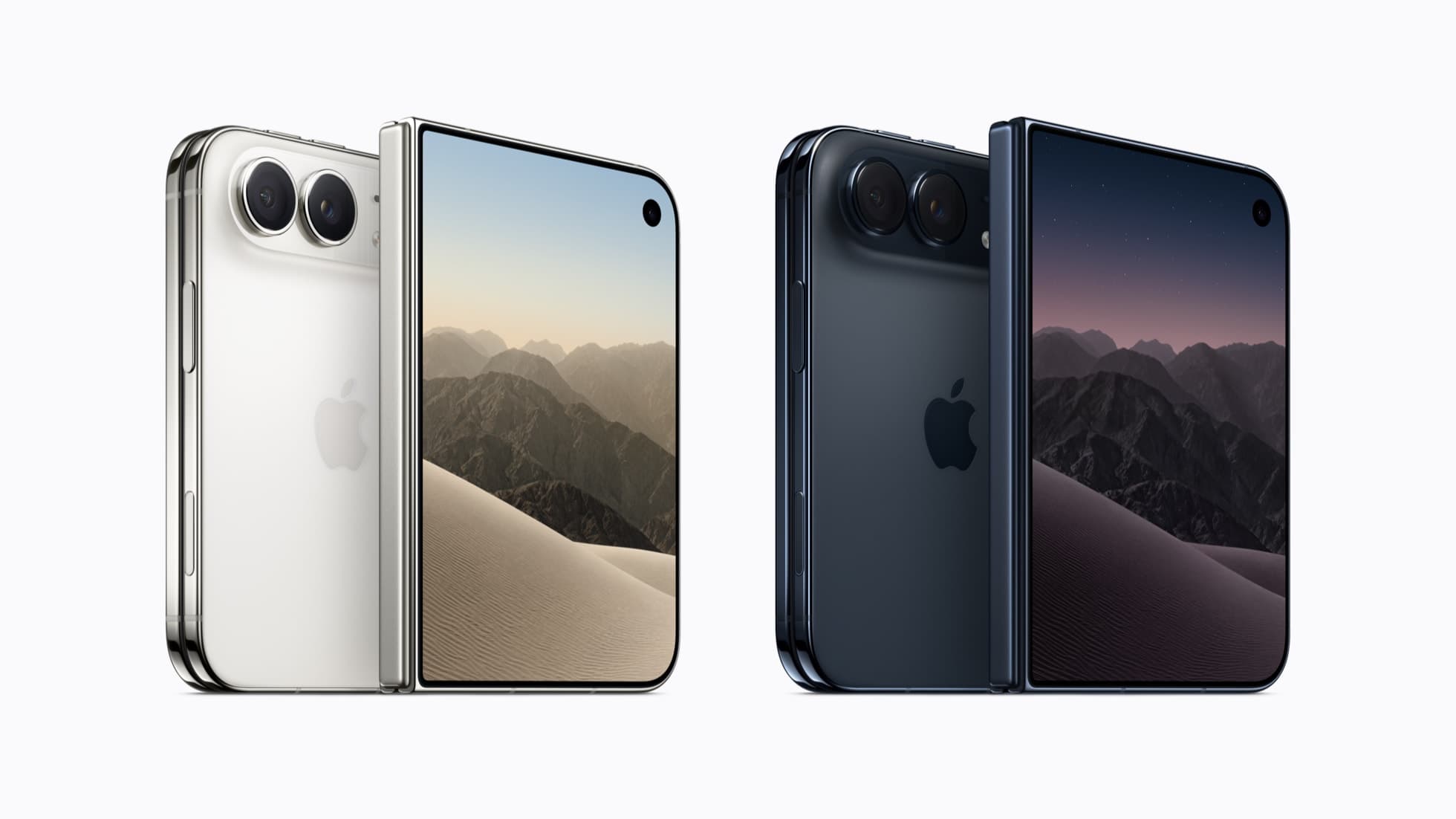 Photograph: Apple (press image)
Apple's first foldable starts at $1,999 and opened preorders on October 16. CNET's machine has folded it over 260,000 times, and Trend Micro warns about fake ordering sites.
Sasha Lind, Nov 5, 2026
 Photograph: Motorola (press image)
The 6.8-inch Android 17 phone packs a Snapdragon 8 Elite Extreme Gen 6, 7,000mAh battery and 200MP telephoto camera; pre-order dates differ by source.
Sasha Lind, Nov 5, 2026